


Prostate cancer hopes raised after at-home spit test trials
- Health
- June 1, 2024
- No Comment
- 117
Saliva tests carried out at home are better at identifying men who are at higher risk of prostate cancer than the standard blood test, new research suggests.
The at-home test could identify genetic factors which make men more likely to develop the disease which claims around 12,000 lives a year in the UK.
The study was carried out by the Institute of Cancer Research, London, and The Royal Marsden NHS Foundation Trust.
They hoped the findings could “turn the tide on prostate cancer”.
The research has not yet been published in a specialist journal.
The UK does not have a national screening programme for prostate cancer because blood tests are not considered accurate enough and can pick up non-life threatening forms of the disease over aggressive types.
Researchers believe the cheap and simple testing method could help catch the disease earlier and save lives.
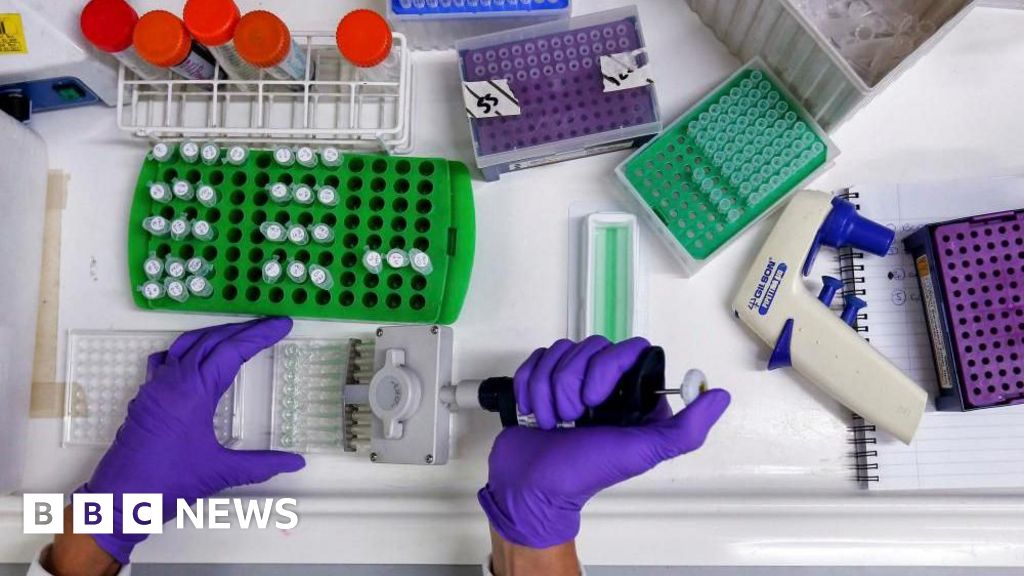
“It is simple from the patient’s point of view… get sent a tube, put your saliva sample into it and post it off,” consultant urologist Prof Caroline Moore said.
Specialising in the detection and minimally invasive treatment of prostate cancer, she told Today on BBC Radio 4 what happens to the samples.
“DNA is extracted from that [saliva] and analysed to look for a combination of genetic variations that are linked to prostate cancer.”
The latest study involved more than 6,000 European men aged 55-69, an age bracket where the risk of developing prostate cancer is increased.
The researchers then used blood and saliva tests on a smaller group of those men who were found to have genetic variations in their DNA indicating a higher likelihood of developing the disease.
Preliminary results from the research show the saliva test produced fewer false positives and picked up a higher proportion of aggressive cancers.
Currently, men who wish to be tested for prostate cancer need to speak to their GP and have a blood test, which measures the level of prostate-specific antigen (PSA) in their blood.
“[But] we know the PSA test doesn’t find all of the cancers,” Prof Moore said, adding the men in the study had done the test, but showed normal PSA levels.
Following an MRI scan and biopsy, 40% of men with high scores from the saliva test were diagnosed with prostate cancer.
For standard blood tests, only 25% of men with a high PSA level will actually have prostate cancer, the researchers said.
Institute of Cancer Research chief executive Prof Kristian Helin said the standard blood test “can cause men to go through unnecessary treatments and, more worryingly, it’s missing men who do have cancer”.
Naser Turabi, director of evidence and implementation at Cancer Research UK, called the study “encouraging” and said “more research is now needed to confirm if this tool can save lives”.
Prof Moore said the next step would be a big screening study to find the best test or the best combination of tests, looking at saliva tests, PSA tests and MRI scans, which are a modern alternative to the rectal examination.
The preliminary findings were presented at the American Society of Clinical Oncology (ASCO) annual meeting in Chicago.
#Prostate #cancer #hopes #raised #athome #spit #test #trials