


Northern Ireland’s first protection strategy launched
- International
- September 18, 2025
- No Comment
- 59
Louise CullenAgriculture and environment correspondent, BBC News NI

 BBC
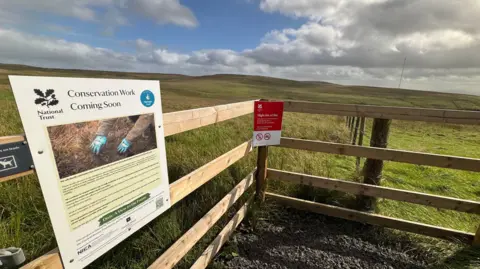
BBCThe long-awaited, first-ever strategy to protect Northern Ireland’s peatlands has been launched.
It seeks to protect and restore all semi-natural peatlands in Northern Ireland to functioning ecosystems by 2040, through a series of 26 actions to meet five objectives.
It includes a consultation on restricting sales of peat and peat products, a wildfire strategy, and the creation of a register of peatlands to help identify those sites most immediately in need of support.
But it highlights that “significant financial resources” will be needed to meet the aims.
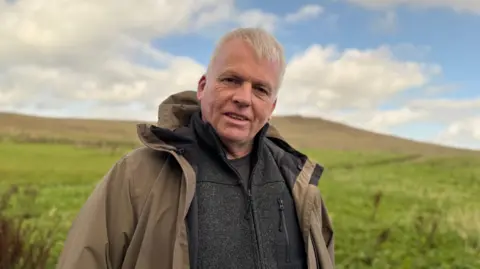
Speaking during the launch of the strategy on Divis Mountain, the Agriculture, Environment and Rural Affairs Minister Andrew Muir said peatland restoration was a “win-win” for Northern Ireland.
“This could make a significant difference to our nature, to water quality, but also our goals in terms of decarbonisation.
“This is a game-changer,” he said.
Peatlands help to filter water, removing pollution and nutrients before they reach wastewater treatment plants or water bodies, like Lough Neagh.
Peter Harper from the Lough Neagh Partnership attended the announcement in the Belfast Hills.
“Whatever is happening in these hills in terms of peatland restoration is going to impact on Lough Neagh, so there’s an absolute connection between what’s happening on this land and what’s happening in the lough itself.
“So if we can reduce the amount of nutrients and phosphates coming into the lough, that’s a good thing.”
A steering group will be formed to oversee implementation of the strategy along with a delivery plan and reporting framework within four months.
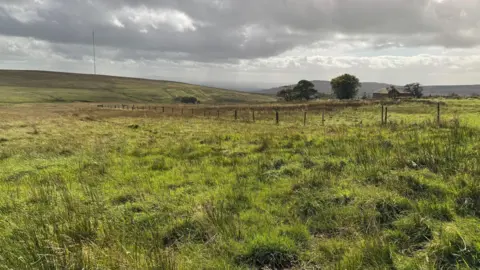
Semi-natural peatland cover – lowland raised bogs, blanket bogs and fens – in Northern Ireland is high at 12%, making our peatlands internationally important.
They account for just over half (53%) of all the carbon stored in soil across Northern Ireland – known as the soil carbon pool.
But the majority of them (86%) are degraded.
That causes the peat to emit the carbon it has previously absorbed, rather than store it as it does when wet and healthy.
“Highly modified peat soils” – peat with trees planted on it and grasslands – cover another 6% of Northern Ireland.
Restoring peatlands and peaty soils is seen as key in meeting climate change targets and tackling emissions.
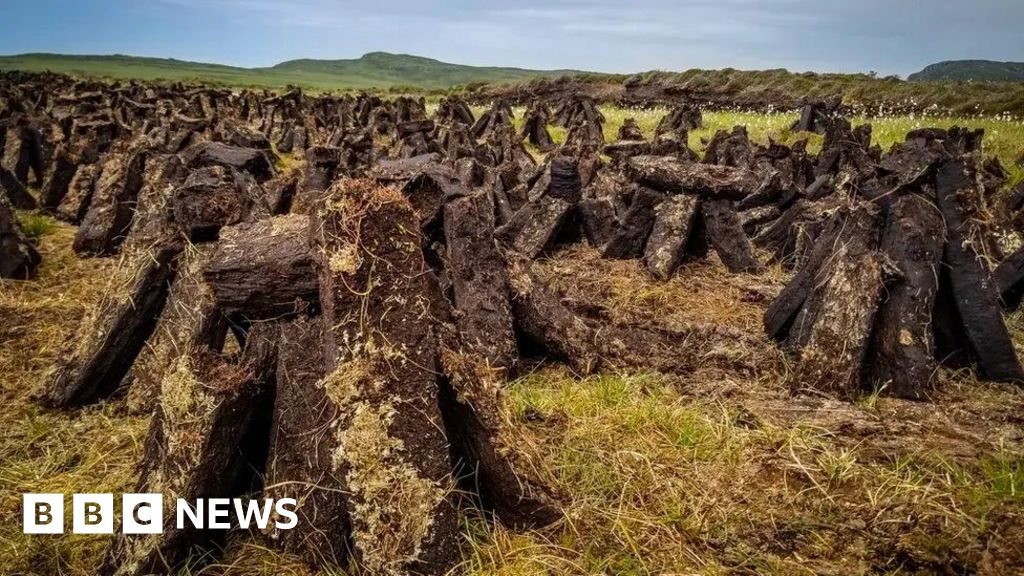
Under the second objective, there will be a consultation on restricting retail sales of peat.
Work will be carried out with the horticulture sector to phase out the use of peat by 2030.
In October 2022, the Republic of Ireland introduced a ban on the sale of turf used as fuel.
England and Wales have committed to a ban on the retail sale of peat, while Scotland has committed to phasing it out.
Research into peatland management is part of the third strategic objective, with a focus on mitigating climate change.
The “cultural heritage value” of peatlands is to be documented under the fourth objective.
Funding for the Peatland Strategy has been secured via the Environment Fund, Shared Island Funding and PEACEPLUS to 2028.
There is currently £7.8m allocated for peatland restoration through the Environment Fund and Shared Island Fund to 2028. This funding will provide for circa 1000ha (hectares) of restoration and 5000 to 6000ha with restoration plans.
In addition, PEACEPLUS funding of approximately €40 million (£34.7m) is currently awarded for nature projects in Northern Ireland to 2028, to include a peatland restoration element of around 12500ha over that time period.
#Northern #Irelands #protection #strategy #launched