



A Toxic Pit Could Be a Gold Mine for Rare-Earth Elements
- Science
- May 13, 2025
- No Comment
- 107
There’s a tale told about a miner who found copper cans in his garbage dump in the early days of mining. Wastewater from copper mining had flowed through his land, he said, and turned steel cans into copper.
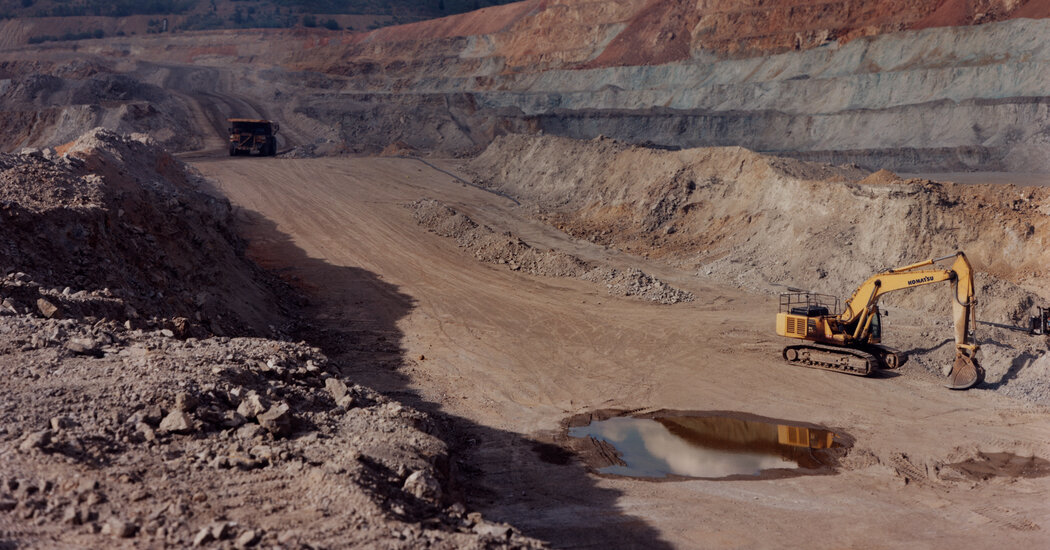
The story might be apocryphal, but the process is real, and it’s called cementation. Montana Resources, the mining company that took over from the Anaconda Copper Company, still uses this alchemical trick in a process at its Continental Pit mine in Butte, Mont.
Next to the mine is the Berkeley Pit, which is filled with 50 billion gallons of a highly acidic, toxic brew. Montana Resources pipes liquid from the pit, enabling it to cascade onto piles of scrap iron. The iron becomes copper and is gathered for production.
While methods to remove metals from water have been around a long time, in recent years the global scramble for metals critical to manufacturing and technology advances has given birth to a new generation of extraction technologies and processes.
One of the mineral-rich sources researchers are focused on is wastewater, including the brine from desalination plants, oil and gas fracking water and wastewater from mining. Researchers at Oregon State University estimate the brine from desalination plants alone contains metals valued at about $2.2 trillion.
“Water is the ore body of the 21st century,” said Peter S. Fiske, director of the National Alliance for Water Innovation at the Department of Energy’s Lawrence Berkeley National Lab California. “Technology now is allowing us to pick through the garbage piles of wastewater and pick out the high-value items.”
Research on the extraction of rare earths, a set of metallic elements, from waste is widespread as the need for them increases significantly. Researchers at Indiana Geological and Water Survey at Indiana University, for example, are studying the potential for mining rare earths in coal waste, including fly ash and coal tailings. And researchers at University of Texas at Austin have created membranes that mimic natural ones to separate rare earths from waste.
Not only is mining wastewater more economical and faster than starting new mines, it is also cleaner.
#Toxic #Pit #Gold #RareEarth #Elements