


Sri Lanka eases vehicle import ban, but can people afford a car?
- International
- January 31, 2025
- No Comment
- 114
Sri Lanka is set to relax a ban on some vehicle imports in a sign the country is returning to normal after a severe economic crisis that toppled a president.
From 1 February, imports of buses, trucks and utility vehicles will be allowed to resume, while restrictions on other vehicles are expected to be gradually lifted.
Many Sri Lankans are waiting for authorities to also drop an import ban on private cars, sport utility vehicles and three-wheeled trishaws – which are commonly used as taxis.
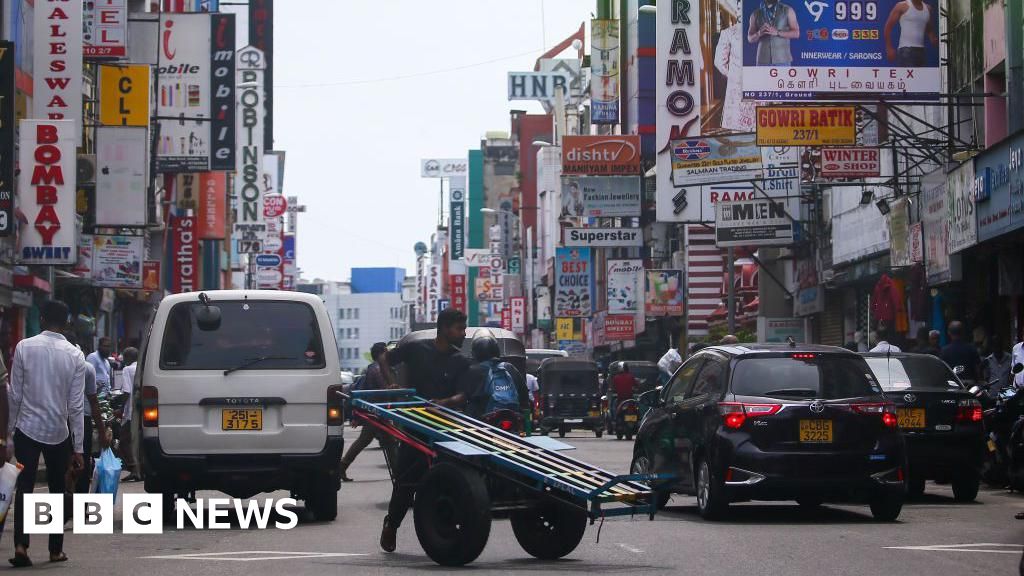
But with prices of vehicles forced up by a scarcity of new ones to buy, a weak currency and high taxes, some are asking who will be able to afford a new car.
In 2022, Sri Lanka faced a severe foreign currency shortage, which meant it was unable to meet its obligations to creditors for the first time in its history.
The island nation of 22 million people was thrown into turmoil as it faced crippling shortages of fuel, food and medicines.
Massive anti-government protests toppled then-President Gotabaya Rajapaksa just months later.
Colombo negotiated a $2.9bn (£2.3bn) bailout from the International Monetary Fund, while Rajapaksa’s successor introduced austerity measures including hiking taxes and ending energy subsidies.
The country’s finances have since improved and the economy is gradually returning from the brink.
The announcement to lift the import ban on vehicles has triggered a buzz among Sri Lankans who have been waiting for years to buy a new car or a van.
Murtaza Jafeerjee, chair of Advocata, an economic think tank based in Colombo, told the BBC he thought the move was long overdue.
“The vehicle imports will not only increase the government’s revenue but will also trigger other economic activities like car financing, dealer revenue, car servicing and other related activities, creating jobs,” he said.
But Nalinda Jayatissa, the country’s information minister told a media briefing on Tuesday that the country was “moving very cautiously because we don’t want a surge of imports that will deplete our foreign reserves”.
The country, which doesn’t have any major factories producing cars and trucks, imports almost all its vehicles, many of them from countries like Japan and India. Now there’s a also lot of interest in Chinese cars, particularly electric vehicles.
Prices of used cars in Sri Lanka have soared, with some models now costing two or three times as much as they did before the ban.
The restrictions have been particularly difficult for people like Gayan Indika, who provides vehicles for weddings and is a part-time cab driver.
“I want to buy a new car so that I can do my work and resume my private cab rental. Without a car, without mobility, I am losing a lot of my revenue,” he said.
In a country with poor public transport, a car can be vital, Sasikumar, a software professional from the central city of Kandy explained.
“As we don’t have a good public transport system, a car is essential to travel to other parts of the country. Either the government should lift the ban on cars or improve the public transport.”
Sri Lanka imported about $1.4bn worth of vehicles in the year before the ban was imposed. This year the central bank says it’s planning to allocate up to a billion dollars for vehicle imports, but said the money will be released gradually.
Arosha Rodrigo, from the Vehicle Importers Association of Sri Lanka, and his family have been running a car dealership for more than four decades.
The firm was importing about 100 vehicles a month before the ban. Since the restrictions came into force they have not been unable to import a single vehicle.
He points out that even if the ban is relaxed further, to allow passenger cars and other vehicles to be imported, many people won’t be able to afford them because of increased taxes and Sri Lanka’s weak currency.
The government has sharply raised excise duties on imported vehicles, both new and second hand, to 200% and 300% depending on engine size.
On top of excise duty, there is also 18% Value Added Tax (VAT) for any vehicle brought from abroad.
The price of imported vehicles will also be impacted by the weakness of the Sri Lankan rupee against major world currencies like the US dollar.
Those soaring costs are putting off people like school teacher R Yasodha.
“We have been waiting to purchase a vehicle for a long time. But if we calculate the tax and the price, the cost of an average sized car has doubled from 2.5 million rupees ($8,450; £6,800) to five million rupees,” she told the BBC.
“It would cost a fortune for us.”
#Sri #Lanka #eases #vehicle #import #ban #people #afford #car